
Migraine headaches are a condition that’s characterized by intense pain, nausea, and light sensitivity. Migraines can significantly impact daily life. While there are various treatments available, including medications and lifestyle adjustments, Botox is an emerging option for managing chronic migraines. Here are some uses of Botox for migraine relief.
Migraine Triggers
Understanding migraine triggers is key to managing them. Migraines often result from a combination of genetic, environmental, and lifestyle factors. Common triggers include stress, hormonal fluctuations, irregular sleep patterns, certain foods, and sensory stimuli such as bright lights or loud noises. Dietary triggers such as aged cheese, caffeine, and alcohol can also play a big role, along with weather or altitude changes. Avoiding triggers can help reduce migraines, but if that isn’t enough, treatments like Botox may be worth exploring.
Botox Mechanism
Botox, short for botulinum toxin, is widely recognized for its cosmetic applications. It has also been approved for medical purposes, including the treatment of chronic migraines. When used for migraine treatment, Botox works by targeting the nervous system. The injections block the release of neurotransmitters that signal pain. This reduces the intensity and frequency of migraine episodes. Administered directly into areas around the head and neck associated with migraine pain, this targeted approach helps interrupt the process that contributes to migraines.
Botox is gaining attention for migraines due to its long-lasting effects compared to some medications. While it’s not a cure, it provides relief that can last for several months with regular treatment. This makes Botox a consistent and effective option for managing chronic migraine symptoms.
Treatment Steps
Receiving Botox treatment for migraines involves specific steps to maximize its effectiveness and safety. Here’s an overview of the general process:
- Consultation and Assessment: A healthcare provider evaluates your symptoms to determine if Botox is a suitable treatment option. This includes discussing your migraine history, frequency of episodes, and any previous treatments you’ve tried.
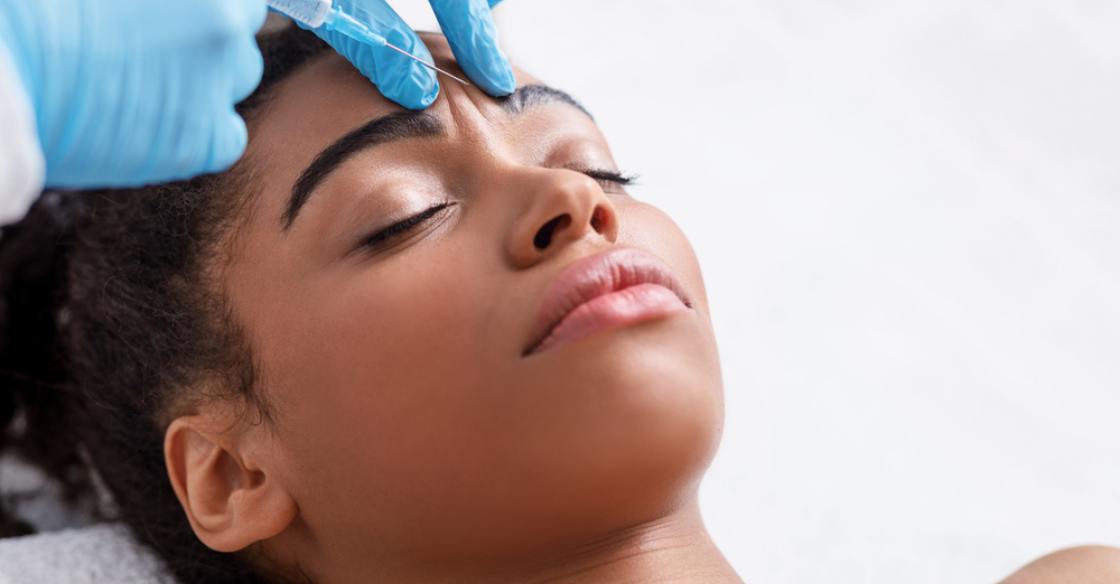
- Injection Procedure: The procedure typically involves multiple small injections into specific areas around the head, neck, and shoulders. These areas are selected based on the muscles that contribute to migraine pain.
- Post-Treatment Care: After the injections, patients are typically advised to avoid strenuous activity for one to two days. However, most people can resume normal activities soon after treatment.
- Follow-Up Schedule: Botox for migraines generally requires repeat sessions every 12 weeks. Regular follow-up appointments help maintain the treatment’s effectiveness over time.
Although the procedure is straightforward, patients considering Botox for migraines should discuss the potential risks, side effects, and benefits with a qualified healthcare provider.
Try Botox for Migraine Relief
If migraines are interfering with your daily life, Botox could be an option worth exploring. It offers a targeted treatment designed to reduce the pain and frequency of chronic migraines, providing relief that many patients find life-changing. While it may not work for everyone, understanding the process and consulting with a trusted medical professional can help you make an informed decision. Take control of your migraines today by scheduling a consultation with a headache specialist. A tailored approach could be the key to finding lasting relief from chronic migraines.