
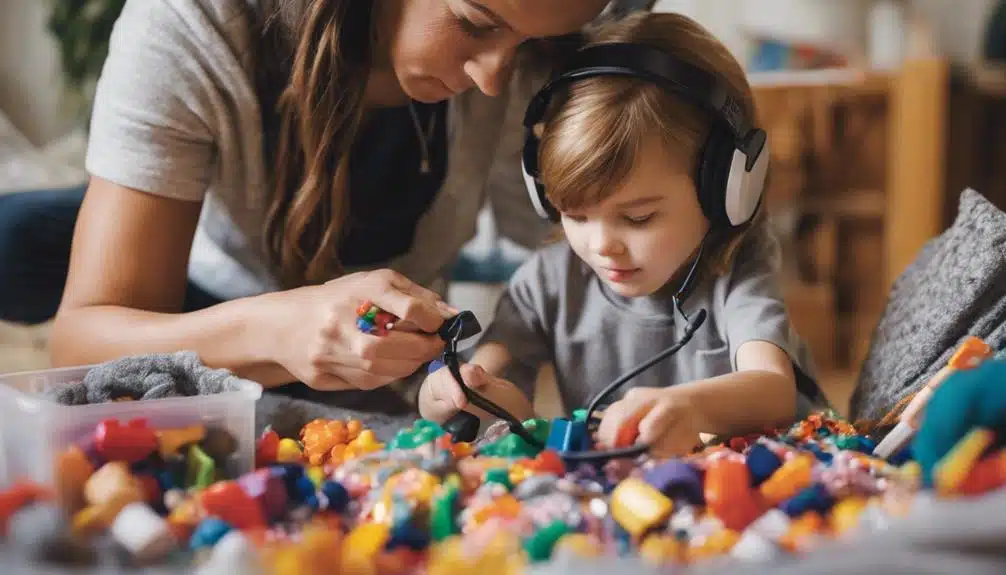
Autism is a developmental condition that affects how individuals communicate, interact with others, and experience the world. For many families, an autism diagnosis begins a journey of learning and support. Starting support services and therapies as early as possible may provide significant advantages. Here is more information about early intervention and its potential benefits:
Improving Key Skills
Early intervention programs typically center on building foundational skills. Therapies might focus on enhancing communication, with some programs using pictures or technology to help children express their needs and thoughts. Social skills are another area of focus. Structured play sessions and guided interactions can help a child learn to navigate social situations. Therapists also work on developing daily living skills, such as dressing and eating independently, which can foster a greater sense of autonomy and independence. Developing these abilities during the early years lays a solid foundation for future learning.
Utilizing Brain Plasticity
The brain’s ability to change and adapt is known as plasticity. During early childhood, the brain is particularly malleable, creating and strengthening neural connections at a rapid rate. Early intervention programs operate during this key developmental window. Structured therapies introduce new learning experiences that can help form new pathways in the brain. This process of learning and adaptation is continuous, but the early years present a unique period for development. By introducing targeted support at a young age, therapies can work in conjunction with the brain’s natural capacity for growth.
Managing Challenging Behaviors
Some children with autism may display behaviors that are challenging for them and their families. Early intervention includes behavior analysis to understand why these behaviors happen. A therapist observes when a specific behavior occurs to identify its triggers and what the child gains from it. With this information, a plan can be developed to help. The goal is to teach the child more effective ways to communicate their needs and manage their feelings. This might include asking for a break when overwhelmed or using tools to calm themselves. The following behaviors can be addressed:
- Aggressive actions, such as hitting, kicking, or biting.
- Self-injurious behaviors like head-banging or scratching.
- Not following directions or refusing to comply.
- Repetitive or restrictive behaviors, such as rocking or hand-flapping.
- Difficulties with transitions between activities or places.
- Avoidance behaviors, such as running away or hiding.
Incorporating Treatments
In addition to behavioral and developmental therapies, some approaches incorporate other treatments. These are explored in conjunction with established support methods. Two such treatments are magnetic e-resonance therapy and transcranial magnetic stimulation (TMS). Magnetic e-resonance therapy is a non-invasive procedure that uses magnetic fields. Transcranial magnetic stimulation also uses magnetic fields to stimulate specific areas of the brain. Both are being studied for their potential applications in supporting individuals with autism. These treatments are typically administered by trained professionals as part of a comprehensive support plan.
Start Autism Treatment Early
Starting a support program during a child’s early years can really make a difference. Early intervention helps children develop new skills and provides support when their brains are most receptive to learning. It teaches kids how to communicate and interact with their environment, while also helping families handle challenging behaviors. Taking proactive steps helps children get access to therapies that support their long-term growth. If you have questions about autism support and early intervention, contact a brain treatment center to learn more about available services.