
Spinal stenosis involves the narrowing of spaces within the spine, which puts pressure on the nerves traveling through the backbone. This condition appears most frequently in the lower back and the neck. Some individuals with spinal stenosis do not experience noticeable symptoms at first. Others feel pain, tingling, numbness, and muscle weakness that worsens over time.
What Causes Spinal Stenosis?
Osteoarthritis triggers most cases of spinal stenosis due to general wear and tear on the spine’s bones. Bones rubbing against each other spur growth, and these bone spurs can intrude into the spinal canal. Ligaments can also thicken and stiffen over time, pushing into the spinal canal and limiting available space.
Herniated disks act as another primary cause for this narrowing condition. The soft cushions that serve as shock absorbers between vertebrae dry out as people age. Cracks in a disk’s exterior allow soft inner material to escape and press on the spinal cord or nerves.
Injuries to the spine can cause dislocations or fractures of one or more vertebrae. Displaced bone from a spinal fracture may damage the contents of the spinal canal. Swelling of nearby tissue immediately following back surgery can also put pressure on the spinal cord or nerves.
Which Symptoms Appear?
Many patients show evidence of spinal stenosis on MRI or CT scans but possess no outward symptoms. When symptoms do manifest, they typically start gradually and intensify as time passes. The specific signs vary greatly depending on the stenosis location and which nerves suffer compression.
- Numbness or tingling in a hand, arm, foot, or leg
- Weakness in a hand, arm, foot, or leg
- Problems with walking and balance
- Neck pain
- Back pain
Pressure on the spinal cord in the neck creates different issues than pressure on nerve roots in the lower back. You might feel pain or cramping in one or both legs when you stand for long periods or walk distances. Sitting down or bending forward usually relieves these discomforts by opening the spinal column slightly.
What Treatments Are Available?
Treatment plans depend heavily on the location of the stenosis and the severity of the signs and symptoms present. A doctor monitors the condition with regular follow-up visits and offers tips for self-care at home. Lifestyle modifications, medications, and physical therapy assist many patients in managing the condition effectively without invasive procedures.
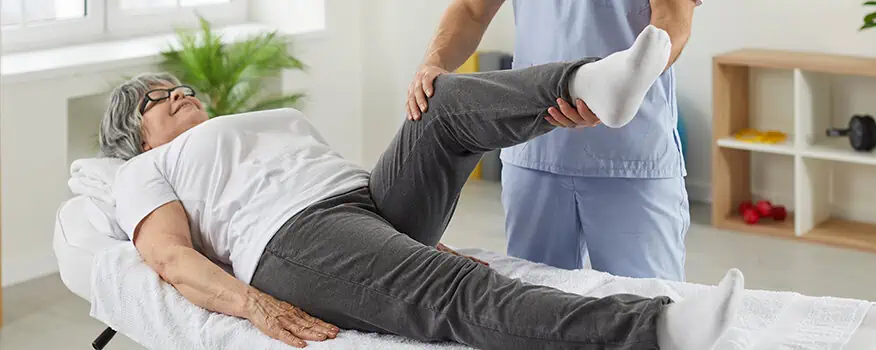
- Physical therapy: Exercises build up strength and endurance, maintain the flexibility and stability of the spine, and improve overall balance.
- Steroid injections: Injections into the space around the constricted nerve roots help reduce inflammation and relieve some pressure at the specific site of pain.
- Decompression procedure: This process removes a portion of a thickened ligament in the back of the spinal column to increase canal space and reduce nerve impingement.
- Pain relievers: Over-the-counter medication such as ibuprofen or acetaminophen can provide temporary relief from the discomfort associated with spinal stenosis.
Surgery becomes an option if other treatments fail to help or if you suffer from severe symptoms. The goal of surgery involves relieving the pressure on your spinal cord or nerve roots by creating more space within the spinal canal. Surgeons utilize various techniques, such as a laminectomy, to open up the canal and minimize nerve impingement to restore function.
Consult a Specialist
Speak with a healthcare provider if you experience persistent pain, numbness, or weakness in your back, legs, or arms. Early diagnosis and treatment often prevent the condition from worsening and help maintain an active lifestyle. Our team evaluates your specific situation and recommends the best path forward for your health needs. Schedule an appointment today to discuss your symptoms and start your path toward relief.

Leave a Reply