
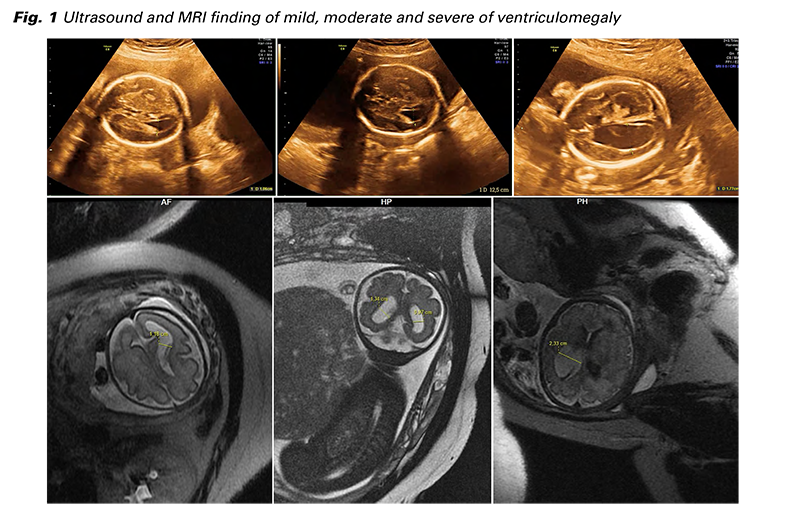
When facing a medical concern, understanding the tools used for diagnosis can help you be more prepared. Ultrasounds and MRIs are two widely used imaging methods, but they differ in their capabilities, procedures, and the insights they provide. Knowing how each works and what they reveal can guide you in navigating your health decisions. Here’s the difference between ultrasound vs MRI approaches:
What Do Ultrasounds Show?
Ultrasounds use sound waves to create images of your internal body structures. Doctors move a handheld device called a transducer over your skin to send sound waves into your body. These waves bounce back to the device, producing real-time images. This technique is handy for examining soft tissues and fluid-filled areas, such as the uterus, bladder, or gallbladder.
Ultrasounds can also detect issues related to dynamic processes. They can track blood flow through vessels or show how joints move. They are commonly used during pregnancy because they provide clear images without exposing patients to radiation. Their portability and quick results make them ideal for situations that require fast insights, though they do have limitations compared to other imaging methods.
How Is MRI Different?
MRI, or magnetic resonance imaging, uses magnetic fields and radio waves to create detailed pictures of your body’s internal parts. During the scan, you lie inside a tube-shaped machine that moves around your body in sections, producing high-quality images.
MRIs are excellent at showing intricate details. They are helpful for viewing tissues like the brain, spinal cord, and muscles. Because of their accuracy, MRIs often detect early signs of health problems that other methods might miss. They are handy for diagnosing tumors, joint injuries, or organ problems.
MRI scans can be uncomfortable. You need to stay still for a long time inside a narrow tube, which may feel cramped. The machine can also be noisy, but ear protection is usually provided. MRIs generally take longer and cost more than ultrasounds.
What Are Their Limitations?
Both ultrasounds and MRIs have limitations in what they can reveal. Understanding these differences can help explain why one might be preferred over the other in certain medical situations. Ultrasounds are quick, efficient, and do not involve radiation. Doctors use them for imaging fluids or observing movement. Their ability to produce clear images decreases when viewing deeper structures, particularly those behind bones.
MRIs offer exceptional detail and clarity but require more time to complete. They rely on strong magnetic fields, which makes them unsuitable for people with metal implants or devices. Additionally, MRI accessibility can be limited by equipment availability and cost, making them harder to find in some healthcare settings.
When Are These Used?
Healthcare providers choose between ultrasound vs MRI imaging based on the specific information they need to collect. Context often dictates which is better suited to ensure precise diagnosis and treatment.
- Ultrasound typically applies to pregnancy monitoring, checking for organ swelling, guiding needle biopsies, or assessing gallbladder issues.
- MRI is favored when examining brain injuries, spinal cord disorders, or soft tissue tumors. It is also the go-to method for ligament or cartilage damage in large joints like the knee or shoulder.
Both methods complement one another in different diagnostic scenarios. While an ultrasound might examine blood flow, an MRI could provide further clarity on structural abnormalities.
Choose Ultrasound vs MRI Approaches
Both imaging options aim to provide accurate insights into your condition. By knowing these differences, you’ll feel more informed and prepared for your procedure. Understanding their roles in your diagnostic process allows you to approach the next steps in your care safely.



Leave a Reply