
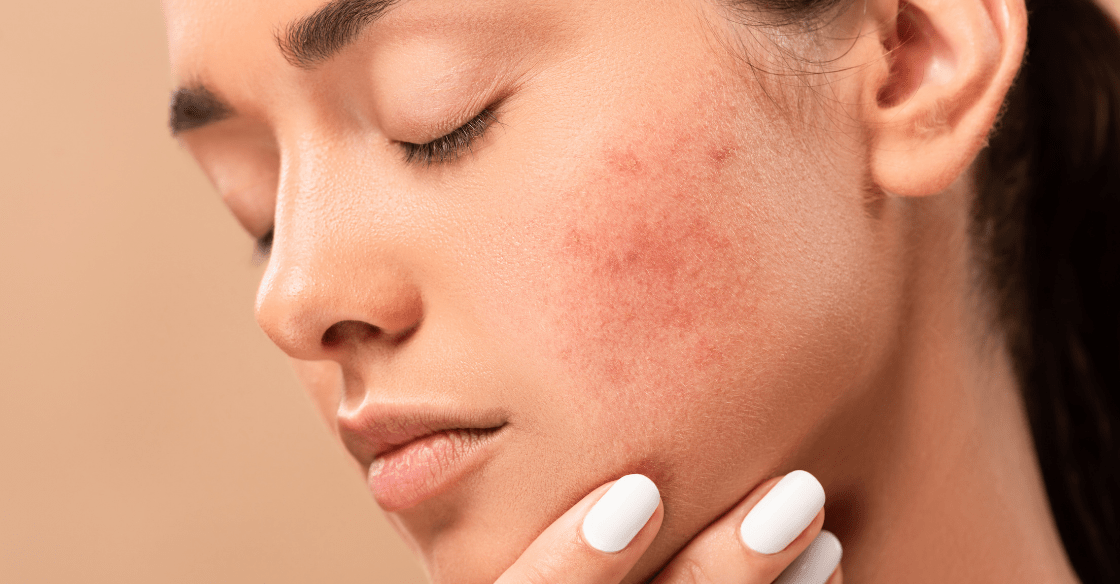
Acne is a common skin condition that affects individuals across various age groups and lifestyles. While it may often be seen as a cosmetic issue, acne is a complex condition influenced by several internal and external factors. Effective acne treatment typically involves addressing these underlying causes through a combination of methods, including lifestyle modifications, hormonal balance, and nutritional support. Here is more information on what acne is, its root causes, symptoms, and potential treatments, including naturopathic approaches:
What Is Acne?
Acne is a skin condition that develops when hair follicles become clogged with oil, dead skin cells, and bacteria. This blockage can result in a range of skin blemishes, such as pimples, blackheads, whiteheads, and cysts. While acne is most commonly seen during adolescence, it also affects adults due to factors such as hormonal fluctuations and specific environmental exposures. Acne treatment is not just about clearing blemishes; it involves restoring the skin’s natural balance and addressing the factors that contribute to its development.
What Causes It?
The causes of acne are multifaceted. Excess sebum (oil) production, clogged hair follicles, bacterial overgrowth, and inflammation are the core mechanisms responsible for acne formation. Factors that influence these mechanisms include hormonal changes, diet, and even genetics.
Foods high in refined sugars and dairy may exacerbate acne for some individuals. Elevated tension can trigger increased cortisol levels, intensifying inflammation and sebum production. Understanding these triggers is integral for identifying a personalized and effective acne management strategy.
What Are the Symptoms?
Acne symptoms range from mild to severe. Individuals commonly experience whiteheads and blackheads, which result from clogged pores. Inflamed lesions may develop, including papules, pustules, nodules, or cysts, each representing a more severe progression of acne. Nodules and cysts may extend deeper into the skin, contributing to discomfort and increasing the potential for scarring.
How Do Hormones Affect Acne?
Hormonal changes are one of the leading contributors to acne. Androgens, a group of hormones that increase during puberty, stimulate sebaceous glands. This leads to excess oil production, which is a contributor to acne.
Fluctuations in hormonal levels can similarly aggravate acne during menstruation, pregnancy, or menopause. Hormone testing can be a valuable tool for identifying imbalances. Treatments such as bioidentical hormone replacement therapy may be utilized to stabilize hormone levels and reduce the severity of acne by addressing its root cause.
What Does Acne Treatment Involve?
Acne treatment involves addressing both internal and external factors affecting the skin. Comprehensive approaches may include:
- Hormone Testing and Management: Identifying hormonal imbalances through testing provides valuable insight into a potential root cause of acne. Techniques like bioidentical hormone replacement therapy can be used to rebalance these levels.
- Food Sensitivity and Allergy Testing: Specific foods may trigger acne outbreaks for some individuals. Testing for sensitivities or allergies allows for the identification and elimination of aggravating dietary elements.
- Supplements for Acne: Nutritional support can be beneficial for reducing inflammation and promoting healthy skin. Certain supplements, such as milk thistle, zinc, vitamin B6, chaste tree berry, and omega-3 fatty acids, contain properties that may help combat acne.
This multifaceted approach not only targets visible acne but also addresses its underlying causes, offering a more holistic and sustainable solution.
Explore Natural Solutions Today
By understanding the causes of acne and exploring comprehensive treatment options, you can address this condition at its root. If you’re seeking additional support in managing your acne, explore naturopathic solutions, such as hormone testing, dietary evaluations, and targeted supplements. Consulting with a naturopathic practitioner can provide personalized solutions and guidance on achieving balanced, healthier skin.