
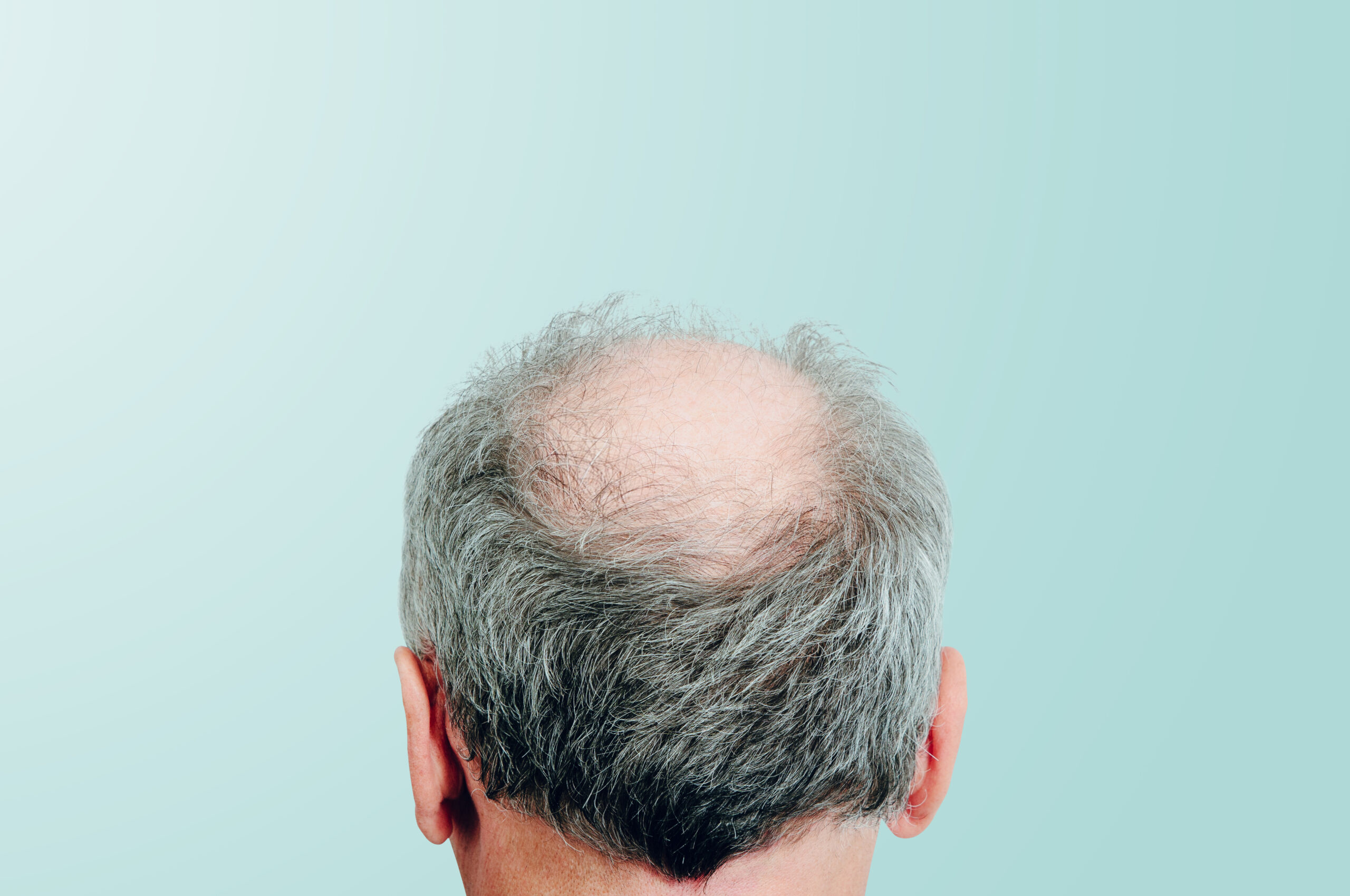
Noticing more strands in your brush or thinning patches on your scalp can be unsettling. For many, it raises the question: Why is this happening? Hair loss, or hair thinning, is a common concern, but its causes aren’t always straightforward. Understanding what’s behind your hair thinning is the first step toward finding the right solution. Here are some common causes of hair loss:
Genetic Factors
Hereditary hair loss is a common cause of hair thinning in both men and women. This genetic predisposition affects the hair follicles’ sensitivity to dihydrotestosterone (DHT), a hormone derived from testosterone. DHT causes hair follicles to shrink, resulting in progressively thinner and shorter hairs before eventually halting hair production entirely.
Male pattern baldness typically begins with a receding hairline and crown thinning. Female pattern hair thinning, on the other hand, usually manifests as diffuse thinning across the top of the scalp. The inheritance pattern involves multiple genes from both parents, making it difficult to predict exactly who will experience hereditary hair thinning and when it will begin. Genetic hair thinning progresses gradually over the years or decades. Early intervention often help slow this progression and preserve existing hair.
Hormonal Imbalances
Hormonal fluctuations significantly impact hair growth cycles and can trigger various forms of hair loss. Thyroid disorders disrupt normal hair growth patterns and can cause diffuse hair thinning throughout the scalp. The thyroid gland regulates metabolism, and imbalances affect the hair follicles’ ability to produce healthy hair.
Hormonal changes during pregnancy, childbirth, and menopause also contribute to hair thinning. Postpartum hair thinning occurs when hormone levels drop after delivery, causing hair follicles to enter a resting phase simultaneously. This temporary condition typically resolves within six to twelve months as hormone levels stabilize.
Medical Conditions
Various medical conditions often cause hair thinning directly or indirectly. Autoimmune disorders occur when the immune system mistakenly attacks hair follicles, resulting in patchy loss of hair. This condition can progress to complete loss of scalp hair or total body hair loss in severe cases.
Scalp infections, including fungal infections like ringworm, can cause localized hair thinning and scarring if left untreated. Bacterial infections and inflammatory skin conditions also impact hair follicle health, potentially leading to temporary or permanent loss of hair. Certain medications used to treat various health conditions may also cause hair thinning as a side effect.
Lifestyle and External Factors
Physical and emotional stress can cause hair follicles to enter the resting phase of the hair growth cycle prematurely. This stress-related hair loss typically becomes noticeable two to three months after the triggering event and can affect large portions of the scalp. Managing stress through relaxation techniques, exercise, and adequate sleep can help prevent stress-related hair yhinning.
Nutritional deficiencies also play a significant role in hair health. Iron deficiency, protein malnutrition, and inadequate vitamin intake can impair hair growth and lead to increased hair shedding. Maintaining a balanced diet rich in hair-supporting nutrients is helpful for optimal hair health.
Schedule Your Hair Loss Treatment Appointment Now
Hair loss results from a complex interplay of genetic, hormonal, medical, and lifestyle factors. Identifying the specific cause of hair thinning is fundamental for developing an effective treatment plan. Early intervention often yields better results, as it becomes more challenging to restore hair growth in follicles that have remained dormant for extended periods. Schedule a consultation with experienced hair restoration professionals for a professional evaluation and explore appropriate treatment options.