
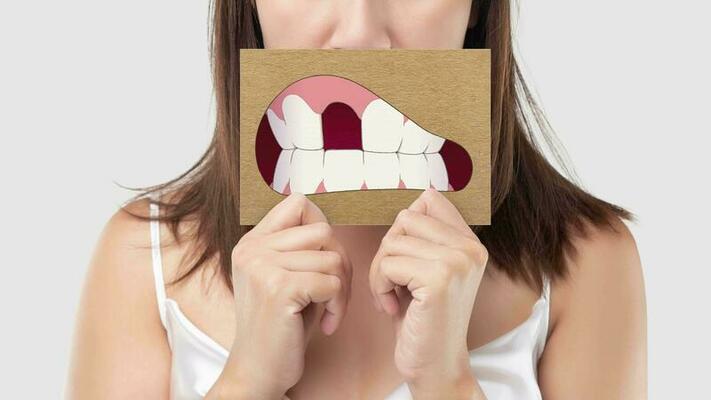
Dental injuries can occur suddenly and require immediate attention to prevent complications. Traumatic dental injuries affect millions of people annually, ranging from minor chips to complete tooth loss. Understanding the nature of these injuries, responding promptly, and knowing when to contact an emergency dentist can significantly impact treatment outcomes and long-term oral health.
What are Traumatic Dental Injuries?
Traumatic dental injuries encompass damage to teeth, supporting structures, and surrounding soft tissues. These injuries are classified into several categories based on severity and location. Crown fractures involve breaks in the visible portion of the tooth, while root fractures occur below the gum line. Luxation injuries affect the tooth’s position within the socket, while avulsion represents the complete displacement of the tooth from its socket.
The extent of damage determines the complexity of treatment and prognosis. Minor injuries may require simple restorative procedures, while severe trauma often necessitates comprehensive treatment plans involving multiple dental specialties. Early intervention by an emergency dentist improves the likelihood of successful treatment and tooth preservation.
What are Some Common Causes of Dental Injuries?
Dental trauma can result from various causes, often depending on age and activity level. Here are the main contributors:
- Sports activities: A major cause, especially contact sports, without proper protective gear.
- Motor vehicle accidents: Often lead to multiple injuries requiring coordinated care.
- Falls: A common occurrence across all age groups.
- Physical altercations: A frequent cause of dental injuries.
- Workplace accidents: Contribute to the overall incidence in adults.
- Children and adolescents: Higher injury rates due to active lifestyles and developing coordination.
- Adults: Injuries often occur during recreational activities or result from medical conditions that affect balance and coordination.
What Should be the Immediate Response to Dental Trauma?
Proper immediate care varies depending on the type and severity of the injury. For knocked-out permanent teeth, handle the tooth by the crown, rinse gently with water, and attempt reimplantation immediately. If reimplantation is not possible, store the tooth in milk or saliva and seek emergency dental care within 30 minutes.
Fractured teeth require careful handling to prevent further damage. Rinse the mouth with warm water and apply cold compresses to reduce swelling. Collect any tooth fragments and bring them to the dental appointment. Avoid applying pressure to the affected area and refrain from consuming hot or cold substances.
Soft tissue injuries accompanying dental trauma need attention to control bleeding and prevent infection. Apply direct pressure with clean gauze and maintain pressure until the bleeding stops. Professional evaluation remains necessary even when bleeding is controlled.
What is Emergency Dental Care?
Emergency dentists provide specialized care for acute dental injuries outside regular office hours. These professionals possess advanced training in trauma management and maintain equipment necessary for complex procedures. An immediate professional evaluation determines the extent of the damage and the appropriate treatment protocols.
Treatment options vary depending on the severity of the injury and individual patient factors. Root canal therapy may be necessary for teeth with nerve damage, while surgical procedures address complex fractures or reimplantation of avulsed teeth. Follow-up care aids in proper healing and identifies potential complications early.
Seek Care From an Emergency Dentist
Traumatic dental injuries require prompt professional evaluation and treatment to optimize outcomes. An emergency dentist provides the specialized knowledge and equipment necessary for proper trauma management. Delaying treatment can lead to complications, including infection, tooth loss, and prolonged recovery times. Contact an emergency dental provider immediately after any significant dental trauma to get proper care and preserve your oral health.