
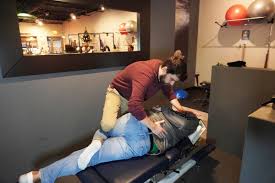
Managing sciatica often begins with consistent movement. While medical evaluation plays a role in diagnosis and treatment, everyday activity contributes to long-term relief. Sciatica affects the lower back and legs, typically caused by pressure on the sciatic nerve. When the nerve becomes irritated, symptoms can range from dull aches to sharp discomfort that interferes with daily routines. Addressing these symptoms early may help reduce their impact.
Sciatica does not always require invasive treatment. Movement, posture, and strength can affect how often symptoms appear and how long they last. By focusing on the right types of exercise, individuals may reduce flare-ups and improve physical function. These exercises do not replace clinical care but can support overall progress, especially when practiced regularly and safely.
Building Core Strength to Support the Spine
The spine depends on surrounding muscles for balance and protection. Weakness in the core may place added stress on the lower back, which can lead to tension or compression near the sciatic nerve. Gentle routines that strengthen abdominal and hip muscles may provide stability that eases pressure on the lower spine.
Basic movements such as bridges, pelvic tilts, and leg raises are often recommended for beginners. These exercises target the deep muscles of the trunk, helping distribute force more evenly across the lower body. Controlled breathing and slow pacing improve effectiveness and reduce the chance of strain. Begin at a comfortable level and adjust gradually. Exercises that focus on controlled motion offer more benefit than those that involve fast or jerky movements. Starting with just a few repetitions per day can help the body adjust while maintaining good form.
Stretching to Improve Flexibility and Alignment
Limited flexibility may place stress on joints and muscles near the sciatic nerve. Stretching routines that target the hamstrings, hips, and lower back can improve alignment and relieve tension. These areas often contribute to sciatica-related pain if left tight or imbalanced.
Gentle stretches such as the seated hamstring stretch or figure-four pose may be appropriate for most people. These positions help reduce muscle tightness without placing direct pressure on the lower spine. Over time, improved flexibility supports smoother movement and better posture.
Holding each stretch for 20–30 seconds allows the muscle to lengthen safely. Repeating the routine several times per week provides ongoing support for the lower body. Stretching should never cause pain. If discomfort occurs, the position should be adjusted or avoided until cleared by a provider.
Creating Habits That Protect the Lower Back
Movement patterns throughout the day influence how the lower back functions. Repeated bending, twisting, or lifting without support may strain muscles that protect the spine. Awareness during common activities such as driving, sitting, or walking can reduce unnecessary pressure on the sciatic nerve.
Incorporating regular standing breaks, shifting positions, and strengthening posture help manage strain. These small adjustments play a role in protecting the back throughout the day. When combined with daily exercises and proper stretching, these habits support better mobility and comfort. Footwear, sleeping surfaces, and work setups may also contribute to sciatic nerve discomfort. Supportive shoes, a neutral spine position during sleep, and an ergonomic workstation all help minimize cumulative pressure.
Supporting Long-Term Sciatica Comfort Through Movement
Exercise provides more than short-term relief for sciatica. When practiced consistently and adjusted to personal needs, movement promotes circulation, balance, and resilience. Individuals who follow a regular routine often find that symptoms become easier to manage or less frequent over time.
Working with a provider, physical therapist, or trainer can offer extra support. These professionals can help assess movement patterns and recommend tailored exercises. They can also identify when symptoms may indicate a need for further evaluation.
While no exercise prevents every episode of discomfort, daily effort contributes to overall back health. When combined with healthy habits and early attention to symptoms, a personalized approach to movement offers ongoing support.