
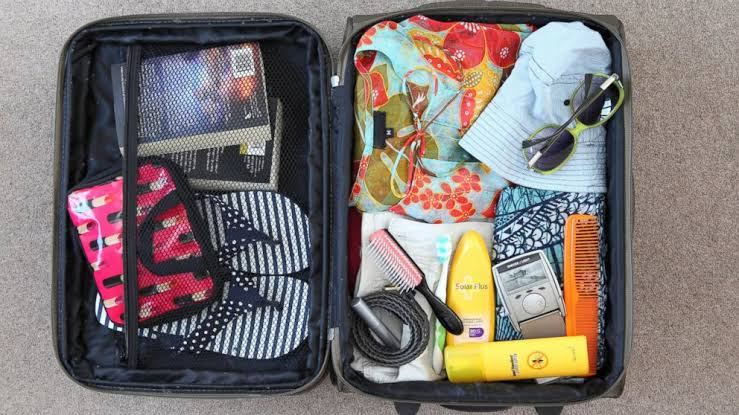
International travel becomes much easier when your carry-on is organized around what you actually need rather than everything you might possibly use. A well-packed cabin bag can keep important documents, electronics, medications, clothing, and personal essentials within easy reach while reducing stress at airports.
Before choosing what goes into your bag, consider the length of your trip, destination weather, planned activities, and whether you will have access to laundry. Travelers looking for practical travel planning resources can also explore gotravellights.com for additional ideas when preparing for a journey.
Check Your Airline’s Carry-On Rules First
One of the biggest packing mistakes is assuming every airline uses the same carry-on allowance. Size, weight, and the number of cabin bags permitted can vary by airline, ticket type, cabin class, and route.
Check your airline’s baggage policy before you start packing. Measure your suitcase and weigh it after everything is inside. This simple step can prevent unexpected fees or the inconvenience of having to move belongings into checked luggage at the airport.
Also pay attention to restrictions on liquids, batteries, sharp objects, food, and other items. International routes can involve different security requirements depending on the airports and countries involved.
Choose the Right Carry-On Bag
A good carry-on should be practical rather than simply attractive. Look for a lightweight design with enough compartments to separate clothing, electronics, documents, and small personal items.
A compact rolling suitcase works well for travelers who want to avoid carrying weight on their shoulders. A backpack may be more convenient when navigating stairs, public transportation, crowded terminals, or uneven streets.
Consider how the bag will be stored during the flight. Your carry-on should be easy to lift and compact enough to fit within your airline’s stated limits.
Create a Packing Strategy
Instead of putting items into your bag randomly, divide everything into categories. This makes packing faster and helps you identify unnecessary items.
Useful categories include:
- Travel documents
- Electronics
- Clothing
- Toiletries
- Medications and personal care items
- Snacks
- Comfort items
- Emergency essentials
Once everything is categorized, prioritize items according to how quickly you may need them. Documents and electronics should be immediately accessible, while spare clothing can remain deeper inside the bag.
Keep Travel Documents Accessible
Your passport, boarding pass, identification, visas, travel insurance information, accommodation details, and important reservations should never be buried under clothing.
Use a small document organizer or dedicated compartment. Keep digital copies of important documents on your phone as a backup, while retaining the originals in a secure location.
It is also useful to keep emergency contact information and important addresses available offline. If your phone loses service or battery power, you will still have access to essential information.
Pack Clothing Efficiently
Carry-on packing becomes easier when you choose versatile clothing instead of packing a different outfit for every possible situation.
Select pieces that can be combined in multiple ways. Neutral colors and lightweight layers are particularly useful because they can work across several outfits.
Rolling clothing can help organize smaller bags and make individual items easier to identify. Packing cubes can also separate underwear, shirts, trousers, and other categories.
For longer international trips, consider whether you can wash some clothing during your stay. Packing for five days does not necessarily require five completely different outfits if laundry is available.
Pack a Small Toiletry Kit
Toiletries can quickly consume valuable carry-on space. Keep your personal-care products limited to the items you genuinely use.
Consider packing travel-sized versions of:
- Toothbrush and toothpaste
- Facial cleanser
- Deodorant
- Moisturizer
- Shampoo
- Basic grooming products
- Essential personal-care items
Place liquids and gels in an easily accessible transparent bag when required by airport security. Avoid carrying large containers unless you have confirmed that they are permitted.
Remember that airport security rules can vary, so checking the requirements for your departure airport before leaving home is worthwhile.
Protect Your Electronics
For many international travelers, electronics are among the most valuable items in the carry-on. Keep your phone, laptop, tablet, camera, headphones, chargers, and other important devices protected and organized.
Use a small electronics pouch for cables and adapters. This prevents loose charging wires from becoming tangled with clothing.
If you are traveling internationally, remember that power outlets may differ between countries. A suitable travel adapter can be more useful than carrying multiple bulky chargers.
Lithium-battery devices and spare batteries also deserve special attention. The International Air Transport Association advises travelers to check applicable baggage requirements and notes that spare lithium batteries should be carried in hand baggage rather than checked baggage. See the IATA Travel & Baggage guidance for current information and safety considerations.
Keep Essential Items in Your Personal Item
If your ticket permits a personal item in addition to a carry-on, use it strategically. A small backpack or shoulder bag can hold things you may need during the flight.
Useful personal-item contents can include:
- Passport and travel documents
- Phone
- Wallet
- Headphones
- Charging cable
- Medication
- Small snacks
- Reading material
- Eye mask
- Hand sanitizer
- Essential valuables
Keeping these items separate means you will not have to open your main suitcase every time you need something.
Prepare for the First Day
A smart international travel trick is to pack a small first-day emergency set. Your checked luggage could be delayed, so your carry-on should contain enough essentials to remain comfortable temporarily.
Consider carrying one change of clothes, underwear, basic toiletries, medication, and essential electronics. If your destination has a significantly different climate, make sure the clothing in your carry-on matches the weather you will encounter after landing.
This approach gives you flexibility if your checked bag does not arrive with you.
Use Every Inch Without Overpacking
Efficient packing is not about filling every available space. It is about using the space intelligently.
Place smaller items inside shoes or other suitable empty spaces. Put heavier items toward the bottom of a rolling suitcase and distribute weight evenly. Keep fragile belongings protected between soft layers rather than placing them where they can be crushed.
Avoid the temptation to pack “just in case” items. Before adding something, ask yourself whether you are likely to use it and whether you could easily obtain it at your destination.
Make Security Screening Easier
Airport security is much less stressful when your carry-on is organized. Keep electronics and liquids accessible if your departure airport requires them to be removed during screening.
Do not hide prohibited items deep inside your luggage. Check the security rules before traveling and remove anything that may cause a problem.
A simple organization system can save time: documents in one compartment, electronics in another, toiletries together, and clothing separated into packing cubes.
Final Carry-On Check Before Leaving
Before heading to the airport, perform a final review. Check your passport, travel documents, phone, wallet, chargers, medication, accommodation details, and any essential items you cannot easily replace.
Then weigh your bag and compare its dimensions with your airline’s current requirements.
Finally, make sure valuables remain with you rather than in checked luggage. Your carry-on should contain the things that would cause the biggest inconvenience if they disappeared from your trip.
Conclusion
Knowing how to pack a carry-on for international travel is mainly about preparation, organization, and prioritization. Start by checking airline requirements, choose versatile clothing, protect your electronics, keep important documents accessible, and prepare for the possibility of delayed checked luggage.
A carefully organized carry-on gives you greater flexibility throughout the journey. Instead of carrying everything you own, focus on the essentials you need during the flight, immediately after arrival, and in unexpected situations. With a simple packing strategy, international travel can feel considerably more comfortable and manageable.