
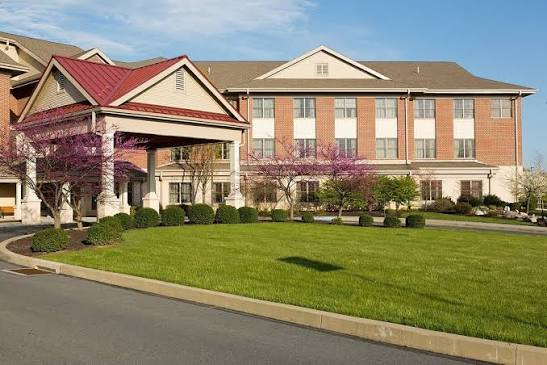
Choosing the right retirement community is an important decision for older adults and their families. Retirement living is no longer simply about finding a place to live after leaving the workforce. Today’s communities can provide opportunities for social connection, convenient services, wellness activities, supportive care, and a lifestyle designed around residents’ individual preferences.
For families exploring senior living options, bethanynd.org can be a useful starting point for learning about retirement community services and the considerations involved in selecting an appropriate environment. Understanding the available lifestyle choices, levels of support, amenities, and community culture can help families approach this decision with greater confidence.
What Is a Retirement Community?
A retirement community is a residential environment designed specifically for older adults. Depending on the community, residents may live independently while enjoying shared amenities and social activities, or they may have access to additional support as their needs change.
Some communities focus primarily on independent living, while others provide multiple levels of care. This variety allows older adults to select an environment that better matches their current lifestyle and anticipated needs.
The right choice depends on factors such as health needs, mobility, budget, social preferences, desired independence, and the availability of family support.
Why Older Adults Choose Retirement Communities
Moving into a retirement community can offer benefits that extend beyond housing.
One major advantage is convenience. Maintenance, housekeeping, transportation, dining, and recreational opportunities may be available depending on the community. This can reduce the number of household responsibilities residents need to manage themselves.
Social connection is another important factor. Retirement can sometimes reduce everyday opportunities for interaction with coworkers and other people. A community environment creates more opportunities to meet neighbors, participate in activities, and develop friendships.
Independent Living for Active Seniors
Independent living can be a suitable option for older adults who are generally able to manage their daily routines but want a more convenient and socially connected lifestyle.
Residents may have their own apartments or homes while benefiting from community amenities and activities. They can maintain personal routines while having opportunities to participate in organized events.
Independent living can be particularly appealing to people who want to spend less time worrying about home maintenance and more time focusing on hobbies, travel, family, and social activities.
Assisted Living and Additional Support
Some older adults need help with certain everyday activities but do not require intensive medical care. Assisted living communities can provide support while allowing residents to maintain as much independence as possible.
Depending on the provider, assistance may include:
- Personal care
- Medication-related support
- Meal services
- Housekeeping
- Transportation
- Mobility assistance
- Social activities
- Wellness programs
Families should carefully review the services provided because assisted living arrangements can vary significantly between communities.
Choosing the Right Level of Care
One of the most important decisions is determining the appropriate level of support.
Families should consider both current needs and the possibility that those needs may change. A community that offers several levels of care may provide greater flexibility over time.
However, families should avoid assuming that more care is automatically better. The goal should be to find an environment that provides appropriate support while respecting the older adult’s independence and preferences.
Having an open conversation with the older adult is essential. Their wishes, concerns, routines, and expectations should be part of the decision-making process.
Community Amenities and Services
Amenities can significantly influence the retirement living experience. Depending on the community, residents may have access to dining rooms, fitness areas, libraries, gardens, lounges, activity rooms, transportation, and outdoor spaces.
These features can make daily life more enjoyable, but families should look beyond attractive facilities. The quality and variety of everyday services may be more important than impressive buildings.
When visiting a potential community, consider whether residents actually use the available spaces. An active common area can provide a better indication of community culture than a beautifully decorated but rarely used room.
Social Activities and Community Life
Social engagement is one of the defining features of a successful retirement community.
Activities may include:
- Group exercise
- Arts and crafts
- Games
- Educational classes
- Music programs
- Movie nights
- Religious or cultural gatherings
- Community celebrations
- Outdoor activities
- Local excursions
The ideal community provides choices rather than expecting every resident to participate in the same activities.
Older adults should be able to enjoy social opportunities while also having quiet time and personal space when they prefer it.
Wellness and Healthy Aging
Wellness programs can support an active and fulfilling retirement lifestyle. Exercise classes, nutritious meals, social activities, educational programs, and opportunities for mental stimulation can all contribute to overall well-being.
Wellness should also be individualized. A person who enjoys walking may benefit from outdoor paths, while another resident may prefer gentle exercise classes or creative activities.
Families can ask communities how they encourage physical activity, social engagement, and mental stimulation among residents.
Dining and Nutrition
Food is an important part of everyday life in a retirement community. Dining services can make meals more convenient while also creating opportunities for social interaction.
When evaluating a community, families should ask about menu variety, dietary accommodations, meal schedules, snacks, and whether residents have choices.
Nutrition needs can change as people age, so flexibility can be particularly valuable. Residents should also have an opportunity to communicate food preferences and concerns.
Safety and Accessibility
A retirement community should provide an environment that is comfortable and reasonably accessible for its residents.
Families can look for features such as well-maintained walkways, appropriate lighting, accessible bathrooms, handrails, elevators, emergency communication systems, and secure entrances.
Safety should not mean removing independence. Older adults should feel supported rather than restricted.
During a community visit, families can observe whether residents appear comfortable moving around independently and whether staff are available when assistance is needed.
Family Involvement
Moving into a retirement community does not mean reducing family involvement. In fact, regular communication and visits can help residents maintain important relationships.
Families should ask how the community encourages family participation. Some communities may organize family events, celebrations, educational sessions, or opportunities for relatives to participate in activities.
Clear communication between staff and families can also make it easier to identify changes in a resident’s needs.
Location Matters
Location can have a significant impact on the overall experience. A community may offer excellent services, but if it is difficult for family members to visit, maintaining regular contact can become challenging.
Consider proximity to family, medical services, shopping, parks, cultural activities, and other places that matter to the resident.
The surrounding neighborhood can also influence how much independence a resident can maintain. Access to transportation may be especially important for people who no longer drive.
Questions to Ask During a Community Visit
Visiting a retirement community is one of the best ways to evaluate whether it is a good fit.
Families can ask:
- What levels of care are available?
- How are individual care needs assessed?
- What activities are offered?
- What dining options are available?
- What transportation services are provided?
- How does the community handle emergencies?
- What are the costs and which services are included?
- How often are care plans reviewed?
- How are families kept informed?
- What happens if a resident’s needs change?
It is also useful to visit at different times of day when possible. The atmosphere during a scheduled tour may differ from everyday community life.
Understanding Costs
Retirement community costs can vary based on location, accommodation, services, and level of care.
Families should request a detailed breakdown rather than focusing only on the advertised monthly price. Additional charges may apply for certain services, meals, transportation, personal care, or other options.
Understanding the financial structure in advance can help prevent unexpected expenses later.
It may also be helpful to ask how prices can change over time and whether additional care costs are calculated separately.
Looking Beyond the Building
A retirement community is ultimately about people and daily experiences rather than buildings alone.
During a visit, observe how staff interact with residents. Are conversations respectful? Do residents appear engaged? Are common areas active? Do staff members seem approachable?
These observations can reveal important information about the community’s culture.
A welcoming atmosphere can make a major difference when an older adult is adjusting to a new living environment.
Reliable Information for Aging Decisions
Families should combine personal visits with reliable information when making senior living decisions. The National Institute on Aging offers educational resources covering aging, health, caregiving, and related topics that can help families prepare for conversations about changing needs.
Research can help families create better questions, while conversations with residents and staff can provide insight into everyday community life.
Final Thoughts
Bethany retirement communities for older adults can be considered through several important factors, including independence, supportive services, social activities, wellness opportunities, safety, location, dining, and affordability.
The best retirement community is not necessarily the one with the largest building or the longest list of amenities. It is the one that fits the older adult’s lifestyle, preferences, care needs, and expectations.
Families should take time to visit communities, compare services, understand costs, and involve the older adult in the decision whenever possible. With careful planning, retirement living can provide more than convenient housing—it can create an environment where older adults feel connected, supported, respected, and able to enjoy the next stage of life.