
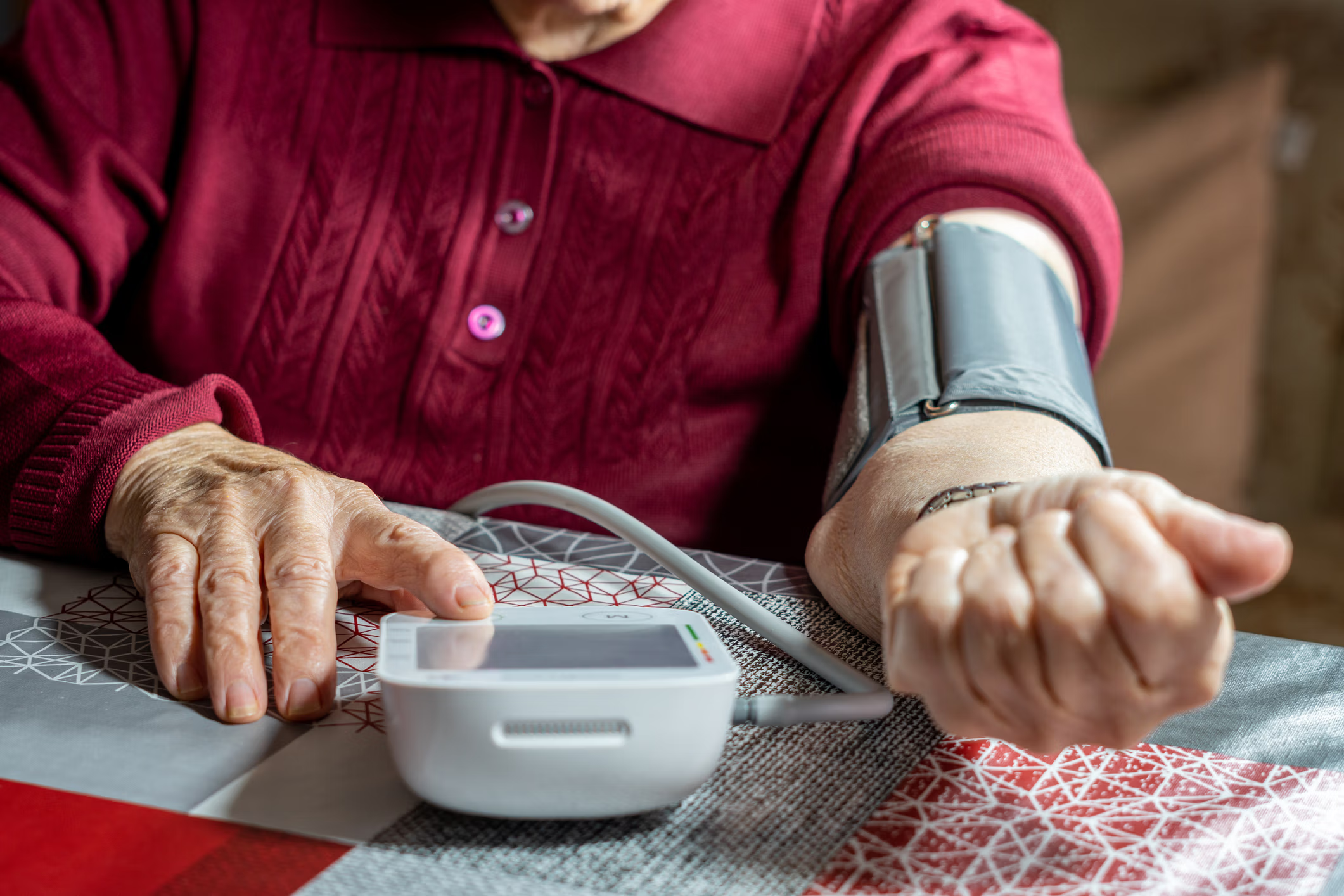
High blood pressure and kidney disease are closely connected conditions. Understanding this relationship is a key part of managing your health. Your blood pressure affects your kidneys, and your kidneys help regulate blood pressure. Because they are linked, your health plan should include management of hypertension and kidney disease.
Effects of High Blood Pressure
High blood pressure can damage blood vessels throughout your body. This includes the small vessels inside your kidneys. Damaged vessels make it hard for the kidneys to filter waste, so your body may retain excess fluid and salt. Over time, high blood pressure strains your kidneys, leading to scarring and reduced filtering ability. If the blood vessels become thickened or narrowed, the kidneys may not receive enough oxygen and nutrients. This reduced function can lead to complications such as swelling, changes in urination, and even higher blood pressure. When your kidneys do not work well, blood pressure can rise further, creating a challenging cycle.
To break this cycle and protect your kidney health, managing hypertension is necessary. Making small changes every day can help. This often involves lifestyle changes and, if needed, medications from your healthcare provider. A heart-healthy diet, such as the DASH diet, helps by including fruits, vegetables, whole grains, and lean proteins while reducing sodium. Regular physical activity, such as walking, swimming, or yoga, also lowers blood pressure and improves well-being. Limiting alcohol, avoiding smoking, and managing stress support kidney and heart health. Collaborate with your healthcare team to monitor blood pressure and adjust your care plan as needed.
Kidneys and Hypertension
Your kidneys help manage your blood pressure by controlling fluid levels in your body. Each kidney filters blood, removing waste products and excess water, maintaining a balanced volume of fluid. Healthy kidneys produce hormones that regulate blood pressure, and when kidneys are damaged, they may not make enough of these hormones. This can lead to a condition known as high blood pressure, or hypertension, which can cause further damage to your kidneys over time, creating a dangerous cycle. To break this cycle, it is recommended to take proactive steps to monitor and manage both blood pressure and kidney health. This involves regular check-ups with your healthcare provider, following a balanced, low-sodium diet, staying physically active, and adhering to prescribed medications, if necessary.
Impacts on Your Health
When your kidneys cannot filter blood properly, they retain fluid, which raises your blood pressure. Extra fluid strains your heart and blood vessels, leading to more health concerns. Over time, poor kidney function makes blood pressure harder to control, so monitor your symptoms. If you notice swelling, changes in urination, or increased fatigue, inform your healthcare provider. These may signal that your kidneys are under stress and your treatment plan needs adjustment. Take steps to manage these conditions. A low-sodium diet and regular exercise lower your blood pressure. Monitor your blood pressure regularly. Your doctor may prescribe medications to protect your heart and kidneys from further damage.
Taking Control Today
Managing hypertension and kidney disease requires a proactive approach, so work with your healthcare provider to create a plan. Because this plan will likely include lifestyle changes and medications, regular monitoring and communication with your doctor are recommended. Contact your provider to discuss your treatment plan and help you maintain quality of life.