
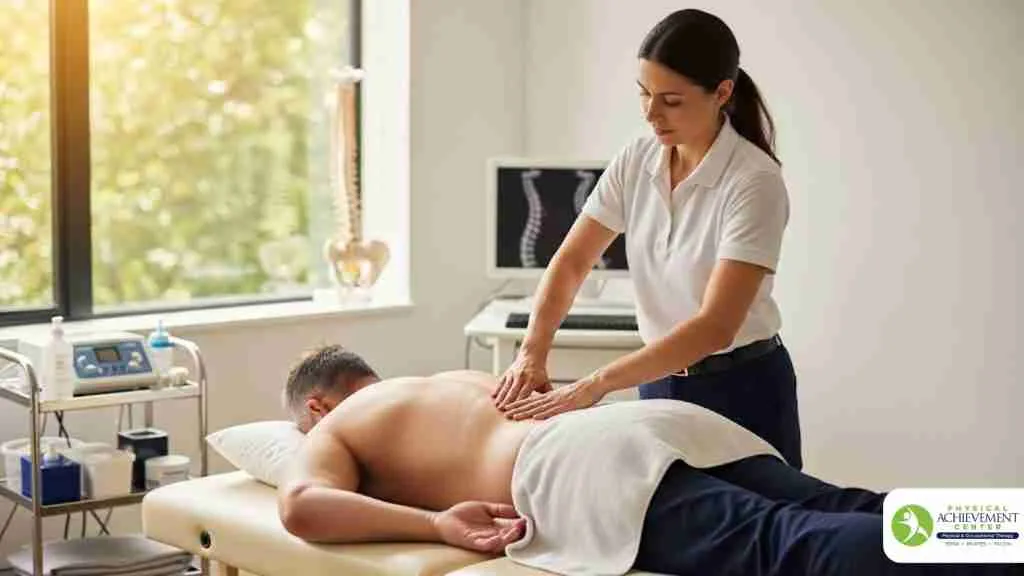
Back pain remains one of the most common medical complaints among adults worldwide. It disrupts work schedules, interferes with sleep, and limits participation in daily recreational activities. Most acute episodes resolve within a few weeks with proper home care. Finding the right combination of remedies facilitates faster recovery and restores mobility. Individuals seeking back pain relief often find success through non-invasive methods before pursuing advanced medical interventions.
What Eases Back Pain?
Simple lifestyle adjustments often yield significant results for those seeking back pain relief. The spine bears the weight of the entire upper body, so small changes in mechanics can significantly reduce load. You can implement many of these strategies immediately at home. Addressing environmental factors creates a supportive setting for healing.
- Heat and Cold Therapy: Applying ice packs during the first 48 hours reduces inflammation and numbs sore tissue. Switching to heating pads after the initial acute phase relaxes tight muscles and improves blood flow to the area.
- Posture Correction: Slouching places unnecessary stress on the lumbar region and aggravates existing conditions. Sitting with feet flat on the floor and the back firmly against a chair supports proper spinal alignment.
- Sleep Adjustments: Sleeping on a mattress that provides adequate support prevents the spine from sagging. Placing a pillow between the knees while sleeping on the side keeps the hips neutral and minimizes overnight tension.
These methods address the mechanical sources of stress that prolong recovery. Consistent application improves outcomes over time. Ignoring ergonomic needs often leads to recurring issues or chronic stiffness. Prioritizing spinal alignment throughout the day aids the body’s natural repair processes.
Which Exercises Improve Comfort?
Physical activity strengthens the muscles that support the spine. Many people believe bed rest cures back pain, yet prolonged inactivity often worsens stiffness. Controlled movement promotes the circulation of nutrients to the affected soft tissues. A gentle routine maintains flexibility without causing further injury.
- Low-impact walking
- Swimming or water aerobics
- Gentle stretching or yoga
Movement keeps joints flexible and prevents muscles from atrophying. You build resilience against future episodes by strengthening the core and leg muscles. A strong body absorbs physical stress more effectively than a deconditioned one. Listen to your body’s signals to avoid overexertion during recovery.
What Role Do Medications Play?
Over-the-counter (OTC) medications can offer short-term relief from your symptoms. Nonsteroidal anti-inflammatory drugs (NSAIDs), such as ibuprofen, help reduce inflammation and pain, while acetaminophen targets pain signals in the brain. These options can help you manage your symptoms as your body heals, but they work best when used as directed on the label or under your doctor’s guidance.
For more targeted relief, topical treatments such as creams, gels, and patches can be applied directly to the painful area. If your pain is severe, a doctor may prescribe stronger options like muscle relaxants to help with significant spasms. Since every medication has risks and benefits, discuss your needs with a healthcare provider to find the best and safest solution for you.
Get Back Pain Relief
Managing back health requires a multifaceted approach involving patience and consistency. Combining rest, targeted exercise, and proper posture creates a strong defense against discomfort. You can improve your quality of life with these practical steps. Schedule a comprehensive spine evaluation today to create a plan for back pain relief.