
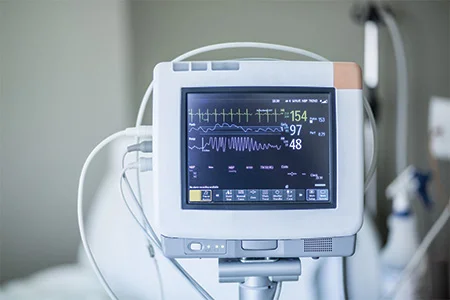
Cardiovascular health is a foundation of overall well-being. Physicians use a variety of tools to monitor and assess the heart’s condition. Among these diagnostic methods, the electrocardiogram, commonly known as an EKG, stands out as a fundamental and widely used procedure. This noninvasive test provides a snapshot of the heart’s electrical activity, offering valuable information about its function and rhythm.
What Is an EKG?
An electrocardiogram is a medical test that records the electrical signals generated by the heart each time it beats. These signals coordinate the contractions of the heart muscle, which pump blood throughout the body. An EKG machine translates these electrical impulses into a visual waveform, which a trained medical professional can interpret. The process involves placing small adhesive sensors, called electrodes, on the chest, arms, and legs. The EKG machine then amplifies and records these signals, creating a graph. This graph, the electrocardiogram itself, shows how the electrical activity spreads through the heart.
What Are They For?
Physicians use EKGs for a multitude of diagnostic purposes related to heart health. One of the primary uses of an EKG is to investigate symptoms that could be related to a heart problem. These symptoms may include chest pain, palpitations, shortness of breath, dizziness, or fatigue. The EKG can help determine if these symptoms are caused by an underlying cardiac issue.
An EKG can detect arrhythmias, which are abnormal heart rhythms. The heart may be beating too fast, too slow, or irregularly. The test can also provide evidence of a heart attack by showing changes in the electrical pattern that indicate damaged heart muscle. Other conditions an EKG can help identify include heart inflammation and structural abnormalities, such as an enlarged heart. It is also used to monitor the effectiveness of certain heart medications and medical devices, such as pacemakers.
What Should You Expect?
The standard EKG procedure is straightforward, quick, and painless. It is typically performed in a physician’s office, a clinic, or a hospital setting. No special preparation is usually required, although you may be asked to change into a hospital gown to facilitate electrode placement.
When you are ready, you will be asked to lie down on an examination table. They will then attach about 10 to 12 electrodes to specific locations on your chest, arms, and legs. To facilitate a good connection, the technician might need to clean the skin or shave small patches of hair where the electrodes will be placed.
Once the electrodes are in position, you will be asked to lie still and breathe normally. It is best to remain as relaxed as possible and avoid talking, as movement can interfere with the electrical signals and affect the quality of the reading. After the machine has captured the necessary data, the technician will remove the electrodes. The results are then reviewed by a physician, who will discuss them with you.
Seek Professional Medical Services
The electrocardiogram is a routine procedure that supplies a wealth of information about the heart’s condition. If your physician recommends an EKG, it is a proactive step toward managing your cardiovascular health. Always rely on qualified medical professionals to perform and interpret these tests and to guide you on the appropriate next steps for your care.