
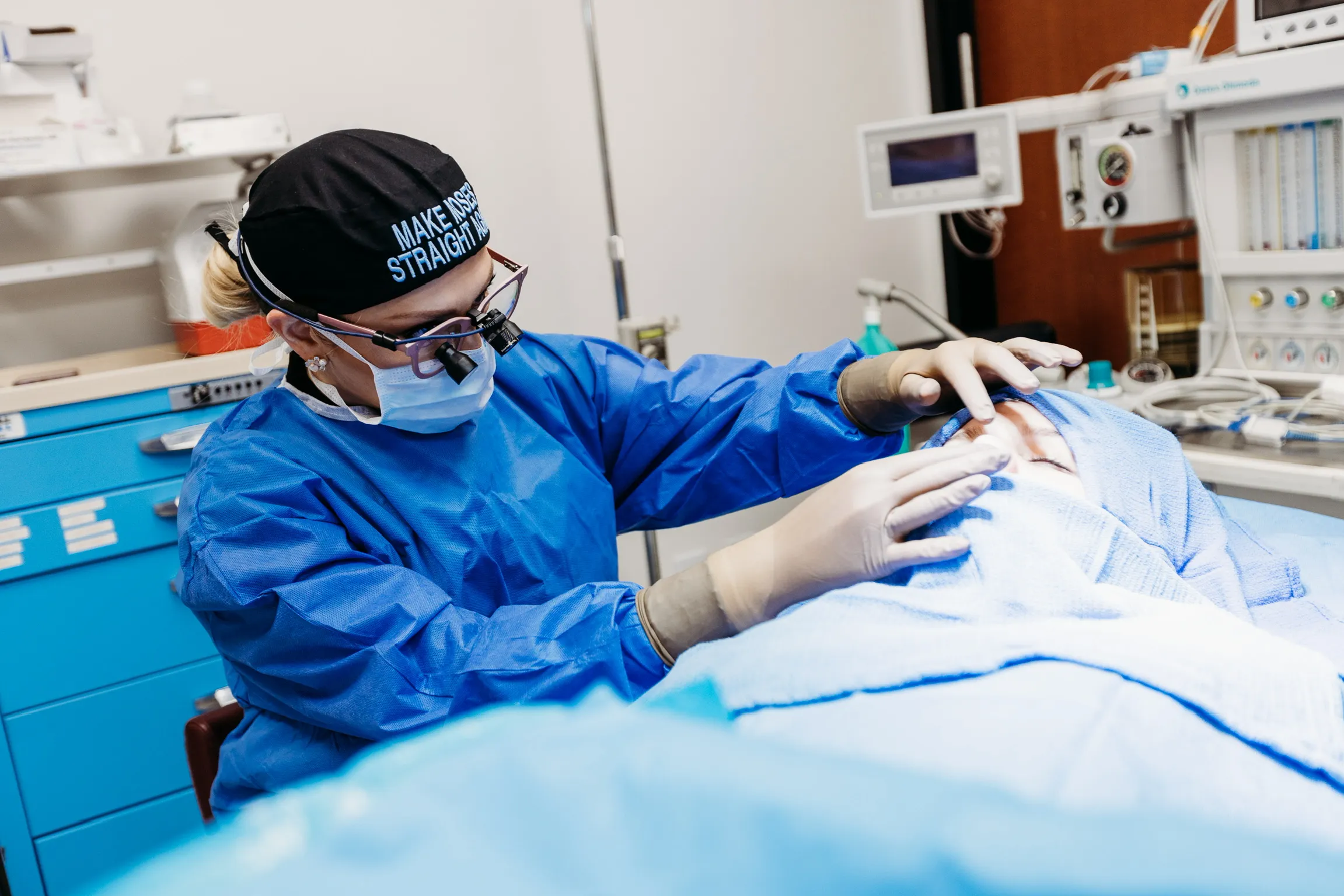
Finding the right orthopedic surgeon can seem overwhelming when you’re dealing with pain or mobility concerns. Whether you’re looking for joint replacement, sports injury treatment, or spine care, selecting the right specialist will impact your treatment experience and recovery outcomes. Here is some information to help you make an informed decision that aligns with your specific medical needs and personal preferences.
Understand the Role of an Orthopedic Surgeon
Medical specialists trained to diagnose, treat, and prevent conditions affecting the musculoskeletal system are known as an orthopedic surgeon. Their expertise covers bones, joints, muscles, tendons, and ligaments. These professionals offer a range of treatments, from non-surgical options like physical therapy or medication to advanced procedures such as joint replacements and minimally invasive arthroscopy. They work closely with patients to uncover the root cause of discomfort or impairment and create personalized treatment plans to enhance mobility and quality of life. Understanding their role can help you choose the right orthopedic surgeon for your needs.
Evaluate Experience and Specialization
Orthopedic surgery encompasses many subspecialties, from hand and wrist surgery to complex spine procedures. Look for a surgeon whose expertise aligns with your specific condition. Choosing the right specialist can make a significant difference in your recovery and overall outcome.
Ask about the surgeon’s experience with your particular procedure. Request information about their surgical volume and patient outcomes for procedures similar to yours. Many orthopedic surgeons focus on specific areas such as:
- Joint replacement and reconstruction
- Sports medicine and arthroscopy
- Spine surgery
- Hand and upper extremity
- Foot and ankle
- Pediatric orthopedics
- Trauma and fracture care
Choosing a surgeon with expertise in your specific condition is a step toward achieving the best possible results. Building a clear understanding of their specialization and track record can provide peace of mind as you move forward with your treatment.
Assess Communication Style
Your relationship with your orthopedic surgeon goes beyond the operating room. You’ll have multiple appointments both before and after surgery, so clear and effective communication is key. A surgeon who takes the time to address your concerns can make the entire process smoother and less stressful.
During your consultation, pay attention to how well the surgeon listens to your concerns. Observe how they explain your treatment options. A good surgeon should take time to understand your symptoms and lifestyle goals.
They should explain procedures in simple terms and answer your questions thoroughly. Discussing both surgical and non-surgical options is also important. This confirms you’re fully informed about your choices. A great surgeon will also set realistic expectations about recovery time and outcomes. They should support you throughout the process.
Make an Appoinment Today
Choosing the right orthopedic surgeon involves evaluating factors like credentials, experience, location, and personal comfort. Take the time to research your options thoroughly. For major procedures, don’t hesitate to seek a second opinion. The best surgeon for someone else may not be the right fit for you. By carefully evaluating your needs and preferences, you can find a surgeon who provides excellent care and supports your health goals.