
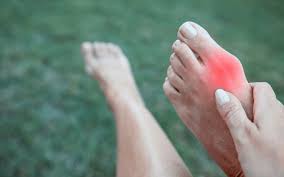
Bunions affect millions of people worldwide, causing discomfort that can significantly impact daily activities and quality of life. This common foot condition occurs when the joint at the base of the big toe becomes misaligned, creating a bony bump that can make walking, standing, and wearing shoes challenging. Understanding effective management strategies can help reduce discomfort and prevent further progression of this condition.
Choose Supportive Footwear
The foundation of bunion management begins with selecting appropriate footwear that accommodates your foot structure without exacerbating the condition. Shoes with a wide toe box provide space for your toes to rest naturally. This helps reduce pressure on the bunion area. Look for footwear with low heels, ideally no higher than two inches. Excessive heel height forces weight onto the forefoot, increasing pressure on the affected joint.
Quality materials and construction play a role in foot comfort and support. Leather or other breathable materials that can stretch and conform to the shape of your foot offer better accommodation. These are preferable to rigid synthetic materials. Shoes with adjustable features such as laces, straps, or elastic panels allow for customization throughout the day as your feet naturally swell.
Maintain Healthy Foot Alignment
Proper foot alignment is key to managing bunions and maintaining foot health. Distribute your weight evenly when standing or walking. This helps reduce strain on the affected area and prevents the bunion from further progressing. Focus on rolling through each step from heel to toe, avoiding favoring one side. A professional gait analysis can help identify movement patterns that contribute to the development of bunions. Simply being aware of posture and foot positioning during daily activities can also make a significant difference.
Use Padding and Orthotics
Strategic use of padding and orthotic devices can provide significant relief from bunion-related discomfort while supporting proper foot function. Bunion pads, available in various materials and thicknesses, create a protective barrier between the bony prominence and your shoe. This reduces friction and pressure. These pads can be particularly beneficial during activities that require extended periods of standing or walking.
Custom or over-the-counter orthotic inserts offer additional support by improving foot alignment and redistributing pressure across the foot. Well-designed orthotics can help control excessive pronation. This is a common contributing factor in the development of bunions. Toe spacers and splints, when used appropriately, may help maintain proper toe alignment, particularly during rest periods.
Stretch and Strengthen Feet
Regular stretching and strengthening exercises can improve flexibility and support the muscles that control foot function. Toe stretches, including gentle pulling of the big toe away from the other toes, can help maintain mobility in the affected joint. Calf stretches are equally beneficial, as tight calf muscles can increase forefoot pressure and contribute to the development of bunion symptoms.
Strengthening exercises for the intrinsic foot muscles help maintain proper arch support and toe alignment. Simple exercises include toe curls using a towel, marble pickups, and resistance band exercises that target the muscles around the big toe joint. These activities can be performed daily and easily integrated into your routine, requiring no special equipment or significant time investment.
Take Steps Toward Managing Bunions
Managing bunions well involves a mix of proper footwear, alignment techniques, protective measures, and foot conditioning. These methods can help alleviate discomfort and may slow the progression, although results depend on the severity of the condition and the frequency of these techniques. Staying consistent is key to long-term improvement. If pain persists or symptoms worsen despite these efforts, seek advice from a healthcare professional for further evaluation and additional treatment options.